Snowbird season in Southwest Florida means splitting the year between two homes, packing up each spring and heading back again in fall. That kind of back-and-forth travel becomes routine for a lot of folks in Cape Coral and Fort Myers, and hearing aids end up making that trip too.

Getting a suitcase packed for a drive north or a flight out of RSW is one thing. Making sure your hearing aids survive the trip without getting lost, crushed or forgotten is a different challenge entirely.

Traveling with hearing aids takes a little more thought than tossing them in a bag on your way out the door. A case left open in a suitcase or a charger left behind at the last hotel can turn a simple trip into an unintended headache.

A few habits make this easy to manage no matter how far you’re going or how often you make the trip. Whether you’re heading north for the season or just away for a weekend, a little planning keeps your hearing aids safe the whole way.

Getting Through Airport Terminals and TSA With Hearing Aids

Airports are noisy, crowded and full of announcements that are easy to miss even on a good hearing day. Gate changes, boarding updates and last-minute instructions can get buried under rolling luggage, conversations and background noise. Keeping an eye on flight boards and airline notifications gives you another way to stay on top of changes.

A little preparation also makes the security process easier:

  • Let TSA officers know you wear hearing aids if you need help during screening
  • Keep your hearing aids in place unless you are specifically asked to remove them
  • Pack batteries, chargers and cleaning supplies in your carry-on where you can reach them
  • Check digital flight boards regularly instead of relying only on overhead announcements

Why a Hard Case Is Worth Packing

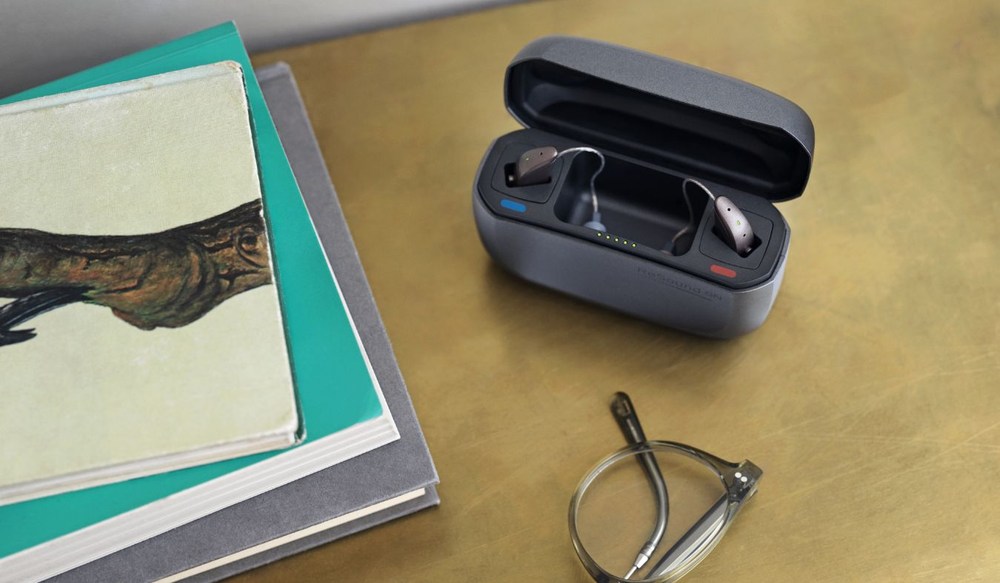
A soft pouch is fine for keeping hearing aids together, but it does not offer much protection once luggage starts getting packed tightly. A hard case gives the devices a sturdier barrier against drops, shifting bags and heavier items pressing down on them.

The inside matters too. A padded lining keeps hearing aids from rattling around, while a secure closure helps prevent them from spilling into a purse, backpack or suitcase. That becomes especially useful when you are moving between hotels, rental cars and airports.

A dedicated case also makes hearing aids easier to find when you need to take them out. Instead of setting them on a nightstand or dropping them into a loose pocket, you always have one protected place for them.

Protecting Hearing Aids From Southwest Florida Humidity

The jump from strong air conditioning to Southwest Florida humidity can be rough on hearing aids. Step outside an airport, hotel or rental car, and moisture can begin collecting on cooler surfaces almost immediately.

That is where an overnight drying routine becomes useful. Wipe your hearing aids with a soft, dry cloth once you are back inside, then place them in a drying jar or electronic dehumidifier overnight.

Humidity does not always cause immediate problems. It often shows up later as weak sound or charging trouble, making regular drying essential on long trips.

Keeping Sand and Dust Out of Hearing Aid Microphones

Beach days and outdoor stops bring a different problem: tiny particles that can settle into microphone openings and other small spaces. Sand does not need to be obvious to cause trouble. Fine grit can cling to your fingers, blow through the air or work its way onto the device when you set it down.

Give your hearing aids a quick check at the end of the day. Use a soft cleaning brush to remove loose debris and a clean microfiber cloth around the outer casing. Try not to press directly into microphone openings, especially if your fingers are sandy.

When you take your hearing aids out near the beach, keep them inside a closed case instead of wrapping them in a towel or dropping them into a bag. That keeps grit away from the parts that are hardest to clean.

Protecting Hearing Aids During Hot Road Trips

Cars heat up fast in the Florida sun, and hearing aids should not be left behind in that kind of heat. Dashboards, glove compartments and center consoles can all get much hotter than the outside air, especially when the car sits parked for a while.

Take your hearing aids and storage case with you when you leave the vehicle. While driving, keep the case somewhere shaded rather than near a sunny window or on top of the dashboard. Spare batteries and chargers should stay out of direct heat too.

Let a warm case return to room temperature gradually. Moving a hot device directly into cold air creates condensation, adding moisture damage to heat exposure.

Packing Chargers, Batteries and Cleaning Supplies

The last thing you want on a trip is to realize your hearing aids are running low and your charger is buried in a checked suitcase. Keep the things you use regularly in your carry-on or personal bag where you can get to them without unpacking half your luggage.

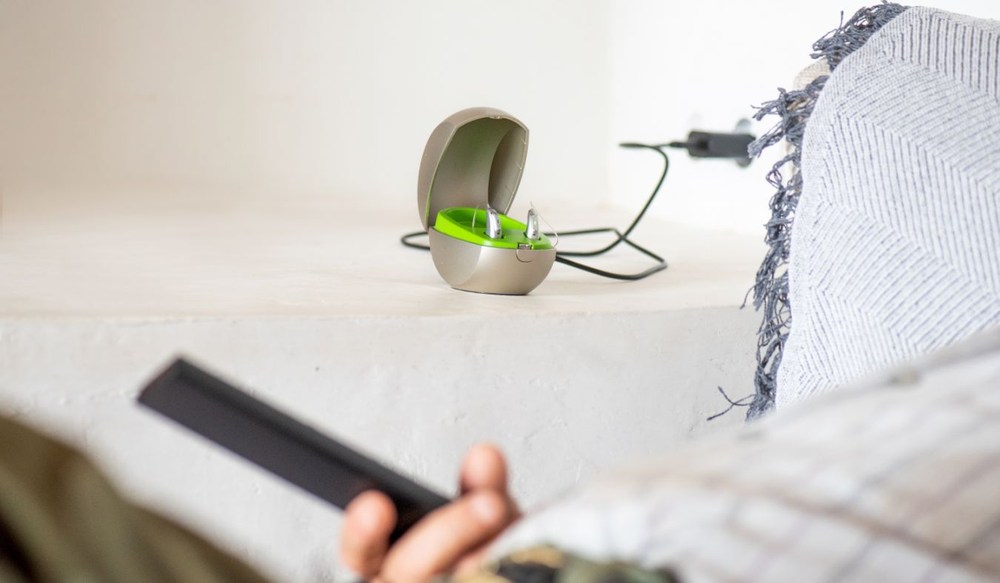
For rechargeable hearing aids, bring the charging cable and wall plug you normally use at home. If yours take disposable batteries, pack enough extras for the trip plus a few more than you think you will need.

Replacement domes, wax guards and a small cleaning brush are also worth bringing in case something needs attention while you are away.

A microfiber cloth takes up almost no room and comes in handy for wiping away sweat, moisture or dirt. Keeping these supplies together in one pouch also makes it much easier to find what you need in a crowded airport or unfamiliar hotel room.

Safe Overnight Storage and Quick Morning Checks

Hotel rooms have plenty of places where a hearing aid can disappear. Nightstands get cluttered, towels get picked up and devices left near the sink can easily get splashed. Give your hearing aids one designated spot every night so you are not searching the room for them the next morning.

A hard case or drying container on the nightstand works well, as long as it stays away from the bathroom and other damp areas. If you are traveling with hearing aids, a drawer or higher surface adds another layer of protection.

Before putting your hearing aids on in the morning, give them a quick once-over. Check for moisture, wax or anything that looks loose or damaged, then wipe the outside with a dry cloth. A few seconds spent looking them over can catch a small problem before you head out for the day.

Avoiding Lost Hearing Aids During Travel Naps

There is nothing unusual about dozing off halfway through a long flight or road trip. The problem comes when you take your hearing aids out without thinking much about where you put them. Airplane seats in particular have plenty of places for something that small to disappear.

Avoid a few common travel mistakes for those with hearing loss:

  • Dropping hearing aids into a seatback pocket and forgetting them when you leave
  • Setting them on a tray table where they can slide, fall or get covered by other items
  • Wrapping them in a napkin or tissue that someone could mistake for trash
  • Putting them loose in a coat or pants pocket where they can work their way out

What to Do if a Hearing Aid Gets Wet or Stops Working

A pool splash, sudden rainstorm or unexplained sound problem can happen even when you have been careful. When something goes wrong away from home, start with the simplest fixes rather than immediately assuming the hearing aid is ruined.

If a device gets wet or suddenly stops sounding right:

  • Remove it and gently dry the outside with a soft cloth
  • Open the battery compartment on disposable-battery models and remove the battery
  • Place the hearing aid in a drying kit or dehumidifier and give it time to dry
  • Check the dome and wax guard if the sound is muffled or distorted
  • Try a fresh battery or a full charge once the device is completely dry

Getting Your Hearing Aids Trip-Ready

Whether you’re packing up for the season or just heading out for a weekend, a little planning goes a long way toward keeping your hearing aids safe.

If you run into any issues on the road, or just want a check before you head out, State of the Art Hearing Centers is here to help. Reach our Cape Coral office at (239) 471-3822 or our Fort Myers office at (239) 322-3522.

Good hearing shouldn’t be something you have to pack a backup plan for.